Botox vs Dermal Fillers: What's the Difference?
Botox and dermal fillers are two of the most popular non-surgical cosmetic treatments available today. While both are injectable procedures designed to improve facial appearance, they work in very different ways and address different cosmetic concerns.
If you're researching aesthetic treatments or considering a career in medical aesthetics, understanding the difference between Botox and dermal fillers is essential.
At Chellsey Institute, we provide comprehensive Botox and Dermal Fillers training for eligible healthcare professionals. While we do not provide cosmetic treatments to patients, our programs help medical professionals develop the knowledge and practical skills required to perform injectable procedures safely and confidently.
What Is Botox?
Botox is a purified protein that temporarily relaxes targeted facial muscles. By reducing muscle movement, Botox helps soften the appearance of dynamic wrinkles—those caused by repeated facial expressions such as smiling, frowning, or squinting.
Common Botox Treatment Areas
Forehead lines
Frown lines (between the eyebrows)
Crow's feet
Bunny lines
Chin dimpling
Neck bands
The effects of Botox typically become noticeable within a few days and generally last several months before repeat treatment may be required.
What Are Dermal Fillers?
Dermal fillers are injectable gel-like substances used to restore facial volume, smooth deeper folds, and enhance facial contours. Many modern fillers are made from hyaluronic acid, a naturally occurring substance that helps maintain skin hydration and volume.
Unlike Botox, fillers do not relax muscles. Instead, they add volume beneath the skin to improve facial shape and reduce signs of aging.
Common Dermal Filler Treatment Areas
Lips
Cheeks
Chin
Jawline
Nasolabial folds
Marionette lines
Under-eye hollows
Temples
Results are usually visible immediately after treatment, with longevity varying based on the product used, treatment area, and individual factors.
Botox vs Dermal Fillers: Key Differences
|
Botox |
Dermal Fillers |
|
Relaxes muscles |
Restores lost volume |
|
Treats expression lines |
Enhances facial contours |
|
Best for forehead lines and crow's feet |
Best for lips, cheeks, jawline, and folds |
|
Results develop over several days |
Results are often visible immediately |
|
Temporary effect |
Duration varies depending on the filler used |
Although they work differently, Botox and dermal fillers are often used together as part of a comprehensive facial rejuvenation plan.
Which Treatment Is Right?
The appropriate treatment depends on the individual's concerns and desired results.
Botox may be suitable for reducing dynamic wrinkles caused by muscle movement, while dermal fillers may be more appropriate for restoring volume or enhancing facial features.
A qualified healthcare professional will assess facial anatomy, discuss treatment goals, and recommend the most suitable approach.
Why Professional Training Is Essential
Injectable procedures require a thorough understanding of facial anatomy, patient assessment, sterile techniques, product selection, and complication management.
Proper education helps healthcare professionals perform treatments safely while achieving natural-looking outcomes.
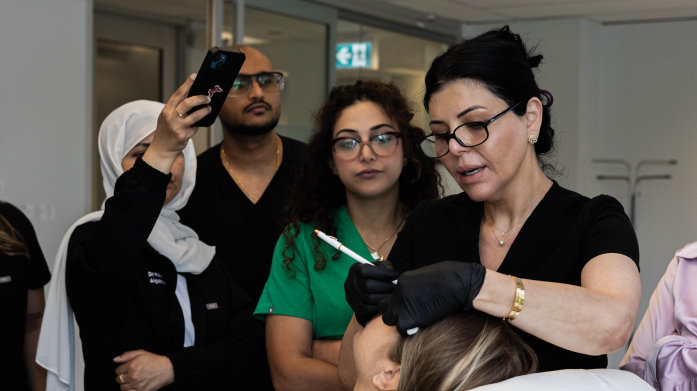
At Chellsey Institute, our Botox and Dermal Fillers training programs combine classroom education with hands-on practical instruction, allowing eligible healthcare professionals to build confidence in aesthetic injectable procedures.
Learn Botox and Dermal Fillers at Chellsey Institute
Chellsey Institute is committed to delivering high-quality medical aesthetics education. Our programs are designed for eligible healthcare professionals seeking to expand their expertise in cosmetic injectables.
Students benefit from:
Experienced instructors
Hands-on clinical training
Live model practice
Small class sizes
Industry-focused curriculum
Practical, evidence-based education
Our goal is to prepare students with the knowledge and technical skills required to perform injectable procedures responsibly and professionally.
Botox and dermal fillers each play an important role in modern aesthetic medicine, but they are designed to address different cosmetic concerns. Understanding how each treatment works allows patients to make informed decisions and helps aspiring practitioners build a strong foundation in injectable aesthetics.
If you're an eligible healthcare professional interested in expanding your skills, Chellsey Institute offers comprehensive Botox and Dermal Fillers training to support your professional development in the growing field of medical aesthetics.
Frequently Asked Questions (FAQ)
-
Botox relaxes facial muscles to reduce dynamic wrinkles, while dermal fillers restore volume and enhance facial contours.
-
The duration varies depending on the product used, treatment area, and individual factors. Both treatments require maintenance over time.
-
Yes. Qualified healthcare professionals may recommend combining Botox and dermal fillers to address different aesthetic concerns as part of a personalized treatment plan.
-
When administered by appropriately qualified healthcare professionals using approved products and proper techniques, both treatments are widely used in aesthetic medicine.
-
No. Chellsey Institute is a training institution and does not provide cosmetic treatment services to patients.
-
Yes. Chellsey Institute offers hands-on training programs designed for eligible healthcare professionals who want to develop their skills in aesthetic injectables.
-
Eligibility depends on the program requirements. Healthcare professionals should review the admission criteria before applying.