Preventing Common Mistakes in Injectable Treatments
Injectable Safety Tips for 2026
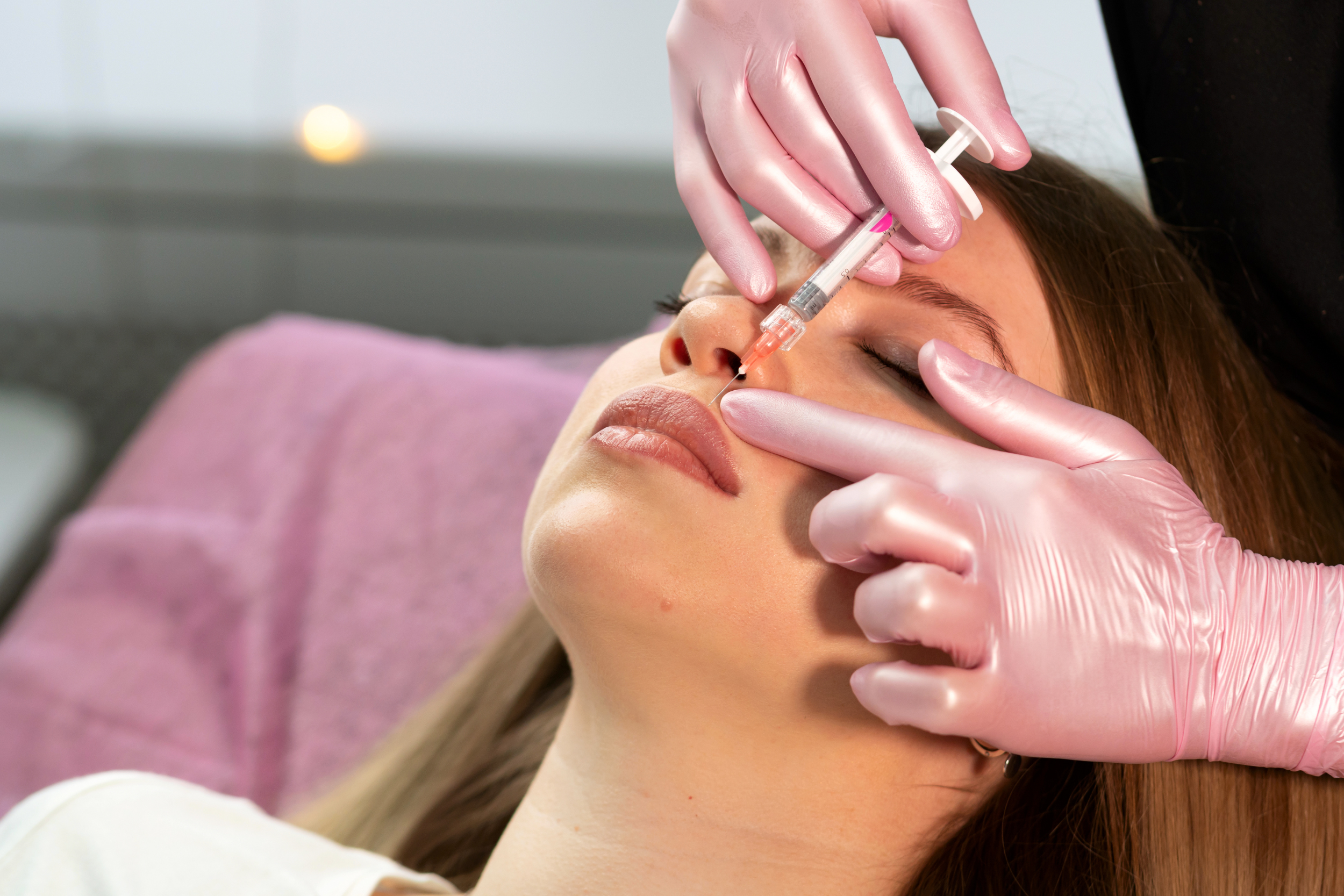
Injectable treatments such as dermal fillers and neuromodulators are among the most in-demand services in medical aesthetics. For medical professionals and aspiring cosmetic injectors, mastering proper techniques in 2026 is essential for delivering safe results and building a successful career in aesthetic medicine.
Whether you’re enrolled in an injectables course or beginning your journey in medical aesthetics, understanding how to prevent common injection mistakes protects patient safety while strengthening your professional reputation.
1. Understand Facial Anatomy
A strong foundation in facial anatomy is critical for safe aesthetic injections. Many complications occur when injectors misjudge muscle placement, blood vessels, or nerve pathways.
Professional cosmetic injectables training emphasizes anatomy education to improve precision, reduce risks, and enhance treatment outcomes.
2. Choose the Right Product and Technique
Selecting the appropriate dermal filler or neuromodulator strength for each client is essential. Incorrect product choice, injection depth, or placement can result in uneven or unnatural results.
Certified injectables programs teach how to match product properties to patient goals and facial structure.
3. Conduct Thorough Client Consultations
Every injectable treatment should begin with a detailed consultation. Reviewing medical history, allergies, previous procedures, and aesthetic goals helps prevent adverse reactions and unrealistic expectations.
Clear communication builds trust and improves patient satisfaction.
4. Follow Standard Injection Protocols
Proper skin preparation, sterile technique, needle or cannula selection, and controlled injection speed significantly reduce complications such as bruising, infection, or vascular issues.
Following standardized safety protocols is a cornerstone of professional injector education.
5. Start Conservatively
Especially with new patients, conservative dosing produces more natural results and allows gradual adjustments. Starting small minimizes overcorrection and supports safer aesthetic outcomes.
6. Maintain Detailed Documentation
Accurate patient records support future treatments and protect both practitioner and client. Documentation should include product details, injection sites, techniques used, and any reactions observed.
Strong record-keeping improves consistency and reduces repeat errors.
7. Commit to Continuous Learning
Medical aesthetics evolves rapidly, with new products, techniques, and safety guidelines emerging regularly. Ongoing education, mentorship, and advanced injectables training help professionals stay confident and current.
Continuous learning directly improves patient outcomes and career growth.
Why Is Proper Injectables Training Important?
Comprehensive cosmetic injectables training reduces complications, enhances treatment results, and builds patient trust. Well-trained injectors are more confident, employable, and respected in medical spas and aesthetic clinics.
Frequently Asked Questions
-
Injectables courses are ideal for nurses, physicians, dentists, and medical professionals entering aesthetic medicine.
-
Yes. Professional injectables training includes in-depth facial anatomy, product selection, injection techniques, and safety protocols.
-
Absolutely. Certified education significantly lowers risks while improving treatment outcomes and patient satisfaction.
Master Injectables Safely in 2026
Preventing mistakes in injectable treatments starts with professional education, detailed consultations, and consistent protocols. With the right training, you can deliver safe, natural results while building a trusted reputation in medical aesthetics.
👉 Explore Chellsey Institute’s Injectables Courses and gain the skills needed to perform cosmetic injections safely and effectively.