Top 5 Treatments Every Medical Aesthetician Should Master in 2026
The medical aesthetics industry is evolving rapidly, with non-invasive skincare technologies transforming client expectations. For aspiring and professional medical aestheticians, mastering advanced treatments in 2026 is essential for building a successful career in medical aesthetics.
Whether you’re enrolled in a medical aesthetician course or already working in a clinic or spa, developing hands-on expertise in high-demand treatments helps expand your service offerings, attract more clients, and grow your earning potential.
Below are the top five non-injectable treatments every medical aesthetician should master this year.
1. Microneedling
Microneedling is one of the most popular skin rejuvenation treatments for improving texture, reducing fine lines, and stimulating collagen production. It’s suitable for most skin types and can be combined with serums or growth factors to enhance results.
Mastering microneedling allows medical aestheticians to deliver visible improvements without invasive procedures, making it a must-have skill in modern aesthetic training programs.
2. Hydrafacial
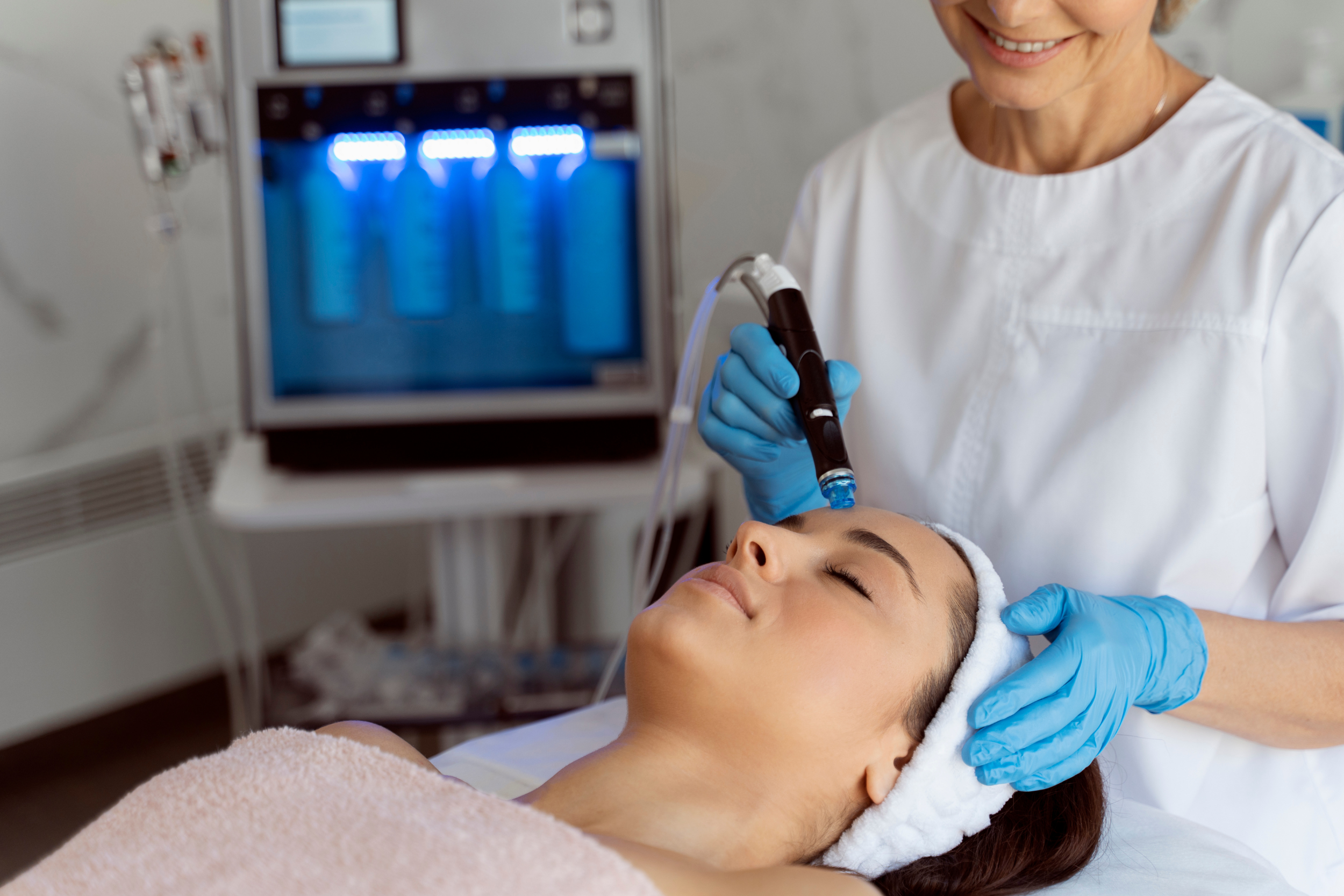
Hydrafacial treatments are highly sought after for their instant glow and gentle approach. This procedure deeply cleanses, exfoliates, extracts impurities, and hydrates the skin while addressing concerns like dullness, congestion, and uneven tone.
Learning proper Hydrafacial techniques and customization ensures consistent client satisfaction and repeat visits.
3. Laser Treatments
Laser technology plays a major role in medical aesthetics, offering solutions for hair removal, pigmentation, skin resurfacing, and vascular concerns. Understanding laser safety protocols, device settings, and post-treatment care is critical.
Medical aestheticians trained in laser treatments provide high-value services that significantly enhance clinic offerings.
4. Chemical Peels
Chemical peels remain a cornerstone of professional skincare treatments. They are effective for acne management, pigmentation correction, fine lines, and overall skin rejuvenation.
Skilled aestheticians know how to choose the appropriate peel type and strength for each client while minimizing risks and maximizing results.
5. Advanced Facial Treatments
Beyond basic facials, mastering advanced techniques such as professional exfoliation, extractions, customized masks, and targeted serums improves treatment outcomes. Combining these skills with modern tools positions you as a knowledgeable and results-driven aesthetic professional.
Why Should Medical Aestheticians Master These Treatments?
By gaining certification and hands-on experience in these high-demand services, medical aestheticians can:
Attract clients seeking non-invasive aesthetic treatments
Expand their service menu for higher income potential
Build credibility as skilled skincare professionals
Increase employment opportunities in clinics, spas, and medical aesthetic practices
Frequently Asked Questions
-
Medical aestheticians should start with microneedling, Hydrafacial, chemical peels, laser treatments, and advanced facials, as these are widely requested non-injectable procedures.
-
Yes. Professional medical aesthetician programs typically include hands-on training in skincare treatments, laser procedures, chemical peels, and facial therapies.
-
Absolutely. Learning advanced aesthetic techniques increases employability, earning potential, and opens doors to careers in medical spas, dermatology clinics, and beauty practices.
Invest in Your Medical Aesthetics Career in 2026
Whether you’re starting your journey or upgrading your skills, mastering these treatments gives you a competitive edge in the medical aesthetics industry.
👉 Explore our Medical Aesthetician Courses at Chellsey Institute and start offering these sought-after services confidently.