The beauty industry continues to offer a wide range of services, from professional facials and skincare consultations to advanced aesthetic treatments. As clients seek personalized skincare solutions, professional training has become an important foundation for beauty practitioners.
Skin care training helps aspiring estheticians develop the knowledge, practical skills, and professional habits needed to provide treatments responsibly. Whether you want to work in a beauty salon, spa, or aesthetic clinic, understanding the skin is an essential part of building your career.
1. Understand Skin Types and Conditions
Every client has different skin characteristics and concerns. Some may have oily or dry skin, while others may experience sensitivity, dehydration, acne-prone skin, or uneven pigmentation.
Professional training introduces students to skin anatomy, physiology, and common skin conditions. This knowledge helps practitioners understand how skin differs from person to person and why treatments should be adapted to individual needs.
At Chellsey Institute, students interested in beauty and medical aesthetics can explore training pathways that build foundational skincare knowledge and practical treatment skills.
2. Learn How to Perform Skin Analysis
Skin analysis is an important step in planning a professional skincare service. It helps an esthetician understand a client's skin type, visible concerns, health history, and treatment expectations.
Through appropriate training, students learn how to:
Conduct client consultations.
Assess skin characteristics and concerns.
Identify possible contraindications.
Select suitable products and treatment approaches.
Recommend appropriate home-care routines.
A careful assessment helps practitioners make informed service decisions and recognize when a client should seek advice from a qualified healthcare professional.
3. Develop Practical Facial Treatment Skills
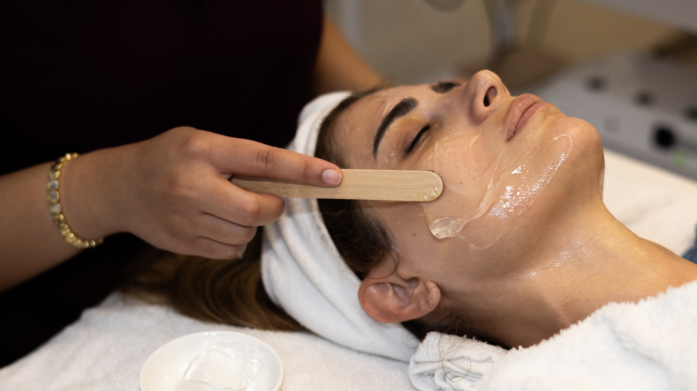
Skincare training combines theoretical learning with hands-on practice. Students learn the correct procedures for delivering facial treatments and using professional skincare products and equipment.
Depending on the program, practical learning may include cleansing, exfoliation, facial massage, mask application, extractions, and the use of specialized equipment.
Practical experience helps students build technique, attention to detail, and confidence in carrying out services. Supervised learning also provides opportunities to receive feedback and improve before entering a professional setting.
4. Prioritize Hygiene and Client Safety
Client safety is a fundamental responsibility in the beauty industry. Skincare professionals must understand sanitation, disinfection, infection prevention, and the safe handling of tools and equipment.
Training can help students learn how to:
Prepare and maintain a clean treatment area.
Clean and disinfect or sterilize instruments as required.
Follow appropriate hand hygiene practices.
Use protective equipment when necessary.
Recognize contraindications and modify or decline services when appropriate.
Ontario's esthetician program standards include health, safety, sanitation, and infection prevention as key learning outcomes.
5. Build Product Knowledge
The skincare market includes cleansers, moisturizers, exfoliants, masks, sunscreens, and products containing different active ingredients. Understanding these products helps estheticians make informed recommendations based on client needs.
Professional education can introduce students to cosmetic ingredients, product selection, and the relationship between skin characteristics and skincare routines.
Practitioners should avoid making unsupported medical claims or promising guaranteed results. When a concern may require diagnosis or medical treatment, referral to an appropriate healthcare professional is important.
6. Improve Client Communication and Professionalism
A successful skincare appointment involves more than performing a treatment. Clients also need clear communication, realistic expectations, and respectful service.
Training helps students practise professional consultations, explain procedures, discuss aftercare, and respond to questions. It also introduces the importance of client privacy, informed consent, and ethical conduct.
These skills can help build trust and support positive client experiences.
7. Explore Career Opportunities in Beauty and Aesthetics
Skincare training can prepare students for different roles in the personal care industry, depending on their qualification, experience, and local requirements.
Potential work settings may include:
Beauty salons
Day spas and resort spas
Skincare and facial studios
Beauty and cosmetic retail
Self-employment, where permitted
The Government of Canada's occupational profile notes that estheticians usually require certification from an educational or training institution, while requirements and business licensing can vary by occupation and location.
Additional education and experience may help practitioners explore specialized areas of esthetics. However, completing skincare training does not automatically authorize someone to perform regulated healthcare procedures.
8. Learn Business and Customer Service Skills
For those who want to work in or manage a salon or spa, business knowledge can be valuable.
Comprehensive esthetician education may include customer service, product recommendations, professional relationships, business operations, and strategies for ongoing professional development.
These skills can help learners understand the broader responsibilities involved in providing beauty services and working with clients.
9. Keep Up With Industry Developments
Skincare products, devices, and treatment approaches evolve over time. Continuing education helps professionals review new information, strengthen existing skills, and remain aware of changing standards and practices.
A commitment to learning is especially important when working with specialized equipment or treatments that require additional training and authorization.
Begin Your Skincare Education at Chellsey Institute
If you are interested in developing a career in beauty and aesthetics, choosing training that combines theory, practical learning, and professional standards is an important first step.
Chellsey Institute offers beauty and aesthetics education for students exploring skincare and related career pathways. Prospective students can review available programs, admission information, and training options directly through the institute.
Frequently Asked Questions (FAQ)
-
Skin care training helps beauty professionals understand skin types and conditions, perform treatments using appropriate techniques, follow hygiene practices, and provide informed client care.
-
Depending on the program, students may learn skin anatomy, skin analysis, facial techniques, product knowledge, equipment use, sanitation, client consultation, and aftercare.
-
Yes. Practical training provides opportunities to practise treatment techniques, use equipment correctly, and receive feedback in a supervised learning environment.
-
Skincare education may prepare graduates for entry-level opportunities in salons, spas, and related personal care settings. Specific employment requirements depend on the role, qualification, and location.
-
Not automatically. Some procedures are regulated or restricted. In Ontario, esthetics training does not itself authorize graduates to perform controlled acts. Students should verify the requirements for any specialized service they intend to provide.
-
Visit the official Chellsey Institute website to explore available programs and contact the institute for current course details and admission requirements.