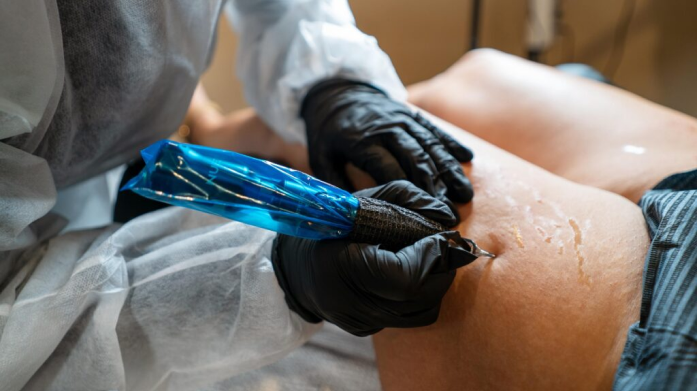
Medical tattooing, also known as paramedical tattooing, is a specialized field that combines artistic skills with skin knowledge to help improve the appearance of scars, stretch marks, burns, and other skin irregularities. It may appeal to beauty professionals who want to expand their expertise into restorative aesthetic services.
If you are interested in starting a career in medical tattooing in Canada, understanding the training, safety practices, and practical experience involved is an important first step.
What Is Medical Tattooing?
Medical tattooing involves implanting carefully selected pigments into the skin to help camouflage certain skin differences or create restorative cosmetic effects.
One area is paramedical camouflage tattooing, which focuses on blending pigments with a client’s natural skin tone. Depending on the individual’s skin condition and suitability, techniques may be used to camouflage:
Surgical and other scars
Stretch marks
Certain burn scars
Birthmarks
Uneven pigmentation
Results vary depending on the skin, scar type, pigment response, and treatment approach. Medical tattooing does not remove scars or replace medical care, and not every skin condition is suitable for treatment.
Step 1: Learn About the Different Career Paths
Medical tattooing includes several areas of specialization. Understanding the differences can help you decide which training is relevant to your interests.
Paramedical scar camouflage
This specialty focuses on selecting and blending pigments to reduce the visual contrast of suitable scars and skin irregularities.
Areola and restorative tattooing
Some practitioners specialize in areola and nipple-areola tattooing, often as part of restorative services following breast surgery. This work requires specific training and careful coordination with appropriate healthcare professionals.
Cosmetic tattooing
Permanent makeup, such as eyebrow, eyeliner, and lip tattooing, is a related field. However, cosmetic tattooing and paramedical tattooing are not interchangeable; each requires appropriate skills and training.
Step 2: Build a Foundation in Skin Knowledge
A strong understanding of skin is essential before performing any tattoo procedure.
Aspiring practitioners should learn about:
Skin anatomy and healing
Different scar types and skin conditions
Pigment selection and colour theory
Client consultation and assessment
Contraindications and when to refer a client
Hygiene, infection prevention, and safe equipment handling
Medical tattooing involves working directly with skin, so safety and professional judgement must remain central to every procedure.
Step 3: Complete Specialized Medical Tattooing Training
Specialized training helps learners understand the techniques and practical considerations involved in paramedical tattooing.
When evaluating a course, look for training that includes both theory and supervised practical experience. Ask whether the curriculum covers skin assessment, colour matching, equipment use, hygiene, contraindications, client consultations, and aftercare.
Train at Chellsey Institute
Chellsey Institute of Beauty & Health offers a Paramedical Camouflage Tattoo Certificate Program for professionals interested in expanding into scar camouflage and restorative aesthetic services.
The program includes theory and hands-on practice with live models. Topics include skin anatomy, scar types, client consultation, hygiene and safety, contraindications, colour matching, pigment blending, and the use of needling tattoo machines.
Practical training covers techniques involving stretch marks, scars, surgical scars, birthmarks, burns, and uneven pigmentation. The program is listed as a two-day course, with classes from 9:00 a.m. to 4:00 p.m.
The course is best suited to individuals with prior experience in permanent makeup or cosmetic tattooing. Applicants should confirm current entry requirements, course details, and whether the training matches their intended scope of practice before enrolling.
Learn more: Paramedical Camouflage Tattoo at Chellsey Institute
Step 4: Develop Practical Skills Under Supervision
Medical tattooing requires precision, patience, and an understanding of how pigment interacts with different skin types.
During training, focus on developing skills such as:
Choosing and blending suitable pigment shades
Understanding skin texture and scar characteristics
Using equipment safely and appropriately
Practising technique under qualified supervision
Communicating clearly with clients
Recognizing when a client needs medical advice or referral
Do not practise invasive procedures on clients independently before you have the appropriate training, supervision, and authorization.
Step 5: Understand Hygiene, Safety, and Local Requirements
Before offering medical tattooing services, research the rules that apply in your province and municipality. Requirements may relate to personal services settings, infection prevention, equipment sterilization, business licensing, and health inspections.
In Ontario, prospective practitioners should verify applicable requirements with their local public health unit and municipality. They should also confirm any professional or scope-of-practice restrictions that may apply to the services they intend to provide.
A certificate course alone should not be assumed to satisfy every legal, health, or business requirement.
Step 6: Gain Experience and Build a Portfolio
After completing appropriate training and meeting applicable requirements, look for ways to develop experience in a suitable professional setting.
Possible career settings include:
Cosmetic tattoo or permanent makeup clinics
Medical spas and aesthetic clinics
Restorative or post-surgical cosmetic services
Independent practice, where legally permitted
Build a portfolio only with proper client consent and follow privacy requirements. Use clear, honest descriptions of treatments and outcomes. Avoid promising that scars will disappear or that results will be identical for every client.
Step 7: Plan Your Career Development
Medical tattooing is a specialized skill, and continuing education can help practitioners strengthen their knowledge and technique.
Consider developing a professional plan that includes:
Identifying your preferred specialty.
Comparing relevant training programs and prerequisites.
Learning the local health and business requirements.
Gaining supervised experience.
Establishing clear consultation, consent, hygiene, and aftercare procedures.
Continuing to learn about techniques, safety, and client care.
If you plan to operate independently, also research business registration, insurance, equipment costs, suitable premises, and client recordkeeping before launching services.
Start Your Medical Tattooing Journey
A career in medical tattooing can combine artistry, technical learning, and client-centred care. The pathway begins with understanding the specialty, gaining suitable training, and taking safety and professional requirements seriously.
For those exploring paramedical camouflage tattooing, Chellsey Institute offers specialized training designed to introduce scar camouflage techniques through theory and practical learning.
Explore the program: Chellsey Institute – Paramedical Camouflage Tattoo
Frequently Asked Questions (FAQ)
-
Medical tattooing is a form of tattooing used for restorative or camouflage purposes, such as helping reduce the visual contrast of certain scars, stretch marks, or skin irregularities.
-
Entry requirements vary by course. Chellsey Institute’s Paramedical Camouflage Tattoo Certificate Program is best suited to people with prior experience in permanent makeup or cosmetic tattooing. Contact the institute to confirm current prerequisites.
-
The program is listed as two days, with classes from 9:00 a.m. to 4:00 p.m. Confirm the current schedule with the institute before registering.
-
Training topics include skin anatomy, scar types, consultation, hygiene and safety, contraindications, colour matching, pigment blending, and tattoo machine use. Chellsey’s program also includes supervised practice with live models.
-
No. Medical tattooing does not remove scars. Camouflage techniques may help reduce the appearance of colour differences in suitable cases, but outcomes vary and some scars may not be appropriate for treatment.
-
Depending on their training, experience, and applicable requirements, practitioners may work in cosmetic tattoo clinics, medical spas, aesthetic clinics, restorative cosmetic services, or independent practices.
-
A course may provide specialized skills, but it does not automatically meet every local health, licensing, insurance, or business requirement. Check the rules that apply where you intend to practise.
-
Chellsey Institute of Beauty & Health offers a Paramedical Camouflage Tattoo Certificate Program. Learn about the course and contact the institute through its official program page.